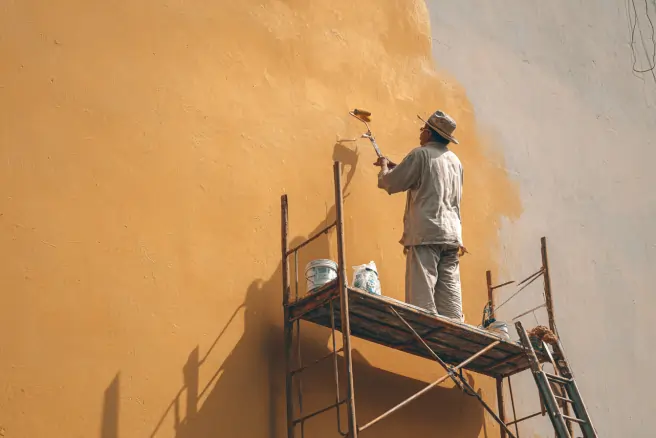
Coverage Period
The length of the warranty is one of the first details you’ll want to assess. While some companies offer limited warranties that cover only one or two years, others provide extended coverage for up to five years or more. Longer warranties often indicate confidence in their craftsmanship and materials.
- 1-2 Years: Typical for entry-level contractors or budget services.
- 3-5 Years: Common for reputable companies offering mid-tier services.
- More Than 5 Years: Usually reserved for premium service providers who use high-quality products and advanced techniques.
Workmanship vs. Product Coverage
A comprehensive warranty should address both workmanship and product defects. Some contractors may only cover issues stemming from poor labor, while leaving out problems related to substandard paint products.
| Aspect | Should Be Covered | What To Look Out For |
| Workmanship Errors | Peeling, flaking, cracking | Improper surface preparation exclusions |
| Paint Products | Fading, blistering | Low-quality paint brands being used |
Make sure you understand whether the contractor uses trusted brands known for durability—this directly impacts product-related risks.
Scope of Warranty
- Peeling or blistering paint caused by improper application.
- Cracking from insufficient surface preparation or primer use.
- Color fading within the initial coverage period due to UV exposure (if specified).
- Damage caused by environmental factors (e.g., storms, fire).
- Problems due to structural deficiencies like water leaks.
- Paint failure on surfaces not properly maintained (e.g., unclean gutters).
Understanding these inclusions ensures no surprises later if problems arise.
Transferability Options
If you plan on selling your home soon after its exterior has been painted, a transferable warranty adds substantial value. Some warranties terminate upon property sale, while others allow new homeowners to benefit from remaining coverage—highlighting professionalism and long-term reliability.
Customer Service Responsiveness
- Ask about their claims process (e.g., how quickly they inspect reported problems).
- Check reviews online for feedback regarding how well they honor warranties.
This will give insight into how smooth addressing future concerns would be under their care.
Choosing an exterior house painting warranty involves considering key factors such as coverage duration, scope of protection, and transferability options. The right choice can protect your investment while ensuring peace of mind over time—leaving your home in good hands with professionals who stand behind their work without compromise.
tamaracpestcontrol.blogspot.com/2026/02/pest-control-tamarac-fl.html
Key Inclusions Every Florida Painting Company Warranty Should Offer
A well-structured painting warranty is a critical component of any professional painting service. Homeowners investing in exterior house painting need to ensure that the offered warranty includes key provisions that protect their investment and provide peace of mind. Below, we discuss the elements every reliable painting warranty should offer.
1. Coverage Against Common Paint Failures
One of the most important inclusions in a quality painting warranty is protection against common issues such as:
– Peeling: Paint separating from the surface, often due to improper application or poor surface preparation.
– Fading: Premature discoloration caused by low-quality paint or inadequate UV resistance.
– Cracking and Blistering: These issues can arise when inferior products are used or environmental conditions are ignored during application.
By ensuring these issues are explicitly covered, homeowners can rest assured that their new paint job will maintain its aesthetic and protective qualities over time.
2. Defined Warranty Period
| Warranty Type | Average Coverage Period |
| Basic Warranty | 1-2 years |
| Mid-Tier Warranty | 3-5 years |
| Premium/Lifetime Warranty | 7+ years (or lifetime) |
3. Material and Labor Inclusions
- Responsibility for replacing defective paint products.
- Full labor coverage for touch-ups or repainting required under warranty terms.
This ensures homeowners aren’t left covering additional costs if something goes wrong due to factors outside their control.
4. Detailed Exclusions
Transparent warranties specify what is not covered under the agreement to avoid potential misunderstandings later on. For instance, many warranties exclude damage caused by:
- Extreme weather (e.g., hurricanes, hailstorms).
- Structural issues like rotting wood or failing caulk that weren’t addressed prior to painting.
- Improper maintenance by the homeowner post-project (e.g., power washing with excessive pressure).
Understanding exclusions helps homeowners maintain realistic expectations about what a contractor will address under warranty terms.
5. Transferability
For those who may sell their home within the warranty period, a transferable warranty increases property value by providing assurance to future buyers regarding continued coverage for any workmanship-related defects.
Why These Inclusions Matter
By ensuring these key elements are part of your exterior house painting warranty, you can protect your home’s curb appeal while safeguarding your financial investment in professional services. Always take time to read through warranties carefully before committing to ensure they meet your needs comprehensively and align with industry standards for reliability and quality assurance.
Understanding Longer Paint Warranties in House Painting Florida
When evaluating painting services for your home, the duration and characteristics of a paint warranty can reveal a lot about the quality of work you can expect. Superior craftsmanship is often tied to longer warranties, which demonstrate the confidence that a painting company has in its materials, techniques, and overall service. Let’s explore why longer warranties are significant indicators of exceptional workmanship.
Why Longer Warranties Matter
- Use premium materials: High-quality paints and primers are less prone to peeling, chipping, or fading over time.
- Adhere to industry best practices: Proper preparation techniques such as surface cleaning, sanding, sealing cracks, and applying appropriate primers help ensure longevity.
- Invest in skilled professionals: A team with proper training and experience is more likely to deliver consistent results that stand the test of time.
Longer warranties provide homeowners peace of mind by ensuring that any unexpected issues are addressed without additional costs during the covered period.
Typical Warranty Durations vs. Signs of Premium Service
| Warranty Duration | What It Often Indicates |
| 1–2 Years | Basic service; may cover minimal repairs but not comprehensive protection. |
| 3–5 Years | Mid-level craftsmanship; shows some confidence in durability but may not include coverage for fading or significant peeling. |
| 7–10 Years | High-end service; reflects superior attention to detail in preparation and application processes. |
Craftsmanship-focused companies are more likely to offer warranties on the higher end (7-10 years or longer), ensuring your home’s exterior looks fresh and protected over an extended period.
Features That Indicate Superior Craftsmanship
- Standard policies might only cover peeling paint or minor defects.
- Premium warranties often include fading resistance, blistering prevention, and adhesion guarantees.
- Does the warranty list exclusions clearly? Vague language can indicate poor craftsmanship or reluctance to take responsibility.
- A transferable warranty increases your property’s value by offering future homeowners continued protection on paintwork.
- Companies with superior craftsmanship commit to timely repairs covered under their extended warranties without unnecessary delays or additional fees.
How Companies Ensure Durable Results
- Cleaning dirt, mold, and mildew ensures better paint adherence.
- Filling cracks or imperfections prevents premature deterioration.
- Multiple coats improve coverage while enhancing resilience against weather conditions.
- Exterior paints designed with UV protection reduce fading caused by sun exposure.
- Waterproof finishes protect surfaces from moisture-related damage such as cracking or bubbling.
A long-term exterior house painting warranty isn’t just a perk—it’s proof of exceptional craftsmanship. By carefully examining what is offered through these extended guarantees, homeowners can better understand a company’s commitment to delivering durable results backed by skilled labor and high-quality materials. A trusted provider will proudly stand behind their work with meaningful protections against wear and tear over time.
How Painting Services Can Address Common Issues Like Peeling and Fading
When investing in an exterior house painting service, it’s essential to understand how a warranty protects you from common issues like peeling and fading. These problems not only affect the appearance of your home but can also lead to larger maintenance concerns if left unaddressed. A quality warranty should provide clear coverage for such defects, ensuring long-lasting results and peace of mind.
Common Painting Issues Covered by Warranties
- Peeling Paint:
This occurs when paint loses adhesion with the surface beneath it. It can happen due to inadequate surface preparation, use of low-quality paint, or improper application techniques. - Fading or Discoloration:
Over time, exposure to UV rays and harsh weather conditions can cause paint to lose its vibrancy. A good warranty should protect against premature fading. - Blistering:
Blisters or bubbles may appear on painted surfaces when moisture gets trapped beneath the paint layer. This issue often stems from poor preparation or painting in humid conditions. - Cracking or Flaking:
Paint may crack if applied too thinly or if it’s unable to expand and contract with temperature changes in your region. - Chalking:
As paint ages, it might leave behind a powdery residue on the surface, which can signal degradation.
Key Warranty Features Addressing These Issues
- Specified Timeframe for Coverage:
Look for warranties that provide coverage spanning 3–7 years as this is typically an indicator of a high-quality job. - Clear Resolution Process:
Ensure that the warranty details how and when defects like peeling or fading will be repaired. Transparency around repair timelines reduces unnecessary frustration. - Protection Against Environmental Damage:
In areas with extreme heat, cold, or humidity, warranties should explicitly state whether damage caused by these conditions is covered. - Surface Preparation Guarantees:
The best warranties often include assurances regarding thorough surface preparation — a critical factor in long-lasting results. - Paint Brand Assurance:
Some contractors offer extended warranties if they use premium paints from reputable manufacturers known for durability and weather resistance.
What Homeowners Should Note
| Issue | Common Causes | Warranty Relevance |
| Peeling Paint | Lack of primer; poor prep | High-quality prep ensures adhesion |
| Fading/Discoloration | UV exposure; low-grade pigments | Premium paints resist fading |
| Blistering | Trapped moisture | Proper timing/weather condition matters |
| Cracking/Flaking | Thin layers; extreme temperature swings | Flexible coatings prevent cracking |
| Chalking | Aging process; environmental factors | Maintenance clauses may apply |
Warranties should be specific about what is covered versus wear-and-tear that naturally occurs over time.
Steps Homeowners Can Take to Minimize Issues
- Ensure proper cleaning before repainting begins.
- Choose painters who specialize in exterior projects.
- Discuss weather conditions suitable for painting schedules.
- Invest in durable paints suited for your local climate.
By understanding common problems like peeling and fading — along with their solutions through comprehensive warranties — homeowners can make informed decisions when hiring painters. This ensures not only aesthetic appeal but also structural integrity over time.
Essential Questions to Ask Before Hiring a Commercial Painting Contractor for Reliable Service and Warranty Coverage
When it comes to hiring a painter for your home, ensuring reliable service and comprehensive warranty coverage should be among your top priorities. The quality of the work performed and the durability of the paint job often depend on the professionalism of the painter and the terms of their warranty. Asking the right questions not only helps you make an informed decision but also ensures that you are protected against potential issues. Below, we break down important questions you should ask before hiring a painting contractor.
1. What Does the Warranty Cover?
- Color fading under normal environmental conditions
- Labor and materials, or just labor
- Coverage for water damage, mold, or mildew
Make sure to request a written copy of their warranty so you can review it in detail.
2. How Long Does the Warranty Last?
A professional painting company should provide clarity on how long their warranty lasts. Shorter warranties could indicate lower confidence in their work or materials, while longer warranties often reflect superior craftsmanship.
| Warranty Type | Typical Duration |
| Basic Warranty | 1-3 Years |
| Mid-Tier Warranty | 4-5 Years |
| Premium/Lifetime | 7 Years or Lifetime |
Ask whether there are any conditions that could void your warranty prematurely, such as failure to perform routine maintenance.
3. Are There Exclusions I Should Be Aware Of?
- Warranties may not cover damage caused by extreme weather (hurricanes, hailstorms, etc.).
- Improper surface maintenance by homeowners could void coverage.
- Some guarantees exclude specific surfaces like metal siding or certain wood types.
Ensure these exclusions are clearly outlined before agreeing to any terms.
4. What Preparation Methods Do You Use?
- Cleaning surfaces thoroughly
- Sanding rough spots
- Applying primers when necessary
Professional painters who take pride in their work will happily discuss their preparation techniques with you.
5. Who Handles Repairs If Issues Arise?
- Will repairs be done by in-house professionals or subcontractors?
- How soon can you expect an issue like peeling paint or bubbling surfaces to be resolved?
Reliable painters will have clear processes for addressing claims promptly.
6. Can You Provide References?
Ask painters for references related specifically to projects completed under similar warranty terms you’re considering. Speaking with past clients provides valuable insight into how well they honor their guarantees over time.
By asking these targeted questions before hiring a painter, you’ll safeguard yourself against unexpected expenses and potential dissatisfaction with results. A trustworthy contractor will appreciate your diligence and demonstrate transparency throughout this process—setting up both parties for success in creating a durable and beautiful exterior finish on your home.
How a Comprehensive Warranty Reflects the Company’s Commitment to Quality
A comprehensive painting warranty is often a testament to the professionalism and dedication of a painting company. It goes beyond mere marketing promises, assuring homeowners that the company stands by its work. When done correctly, such warranties aren’t just about protecting customers; they reflect the company’s confidence in their craftsmanship, materials, and processes. Below we discuss how a strong warranty underscores a company’s commitment to quality.
Key Features of a Comprehensive Painting Warranty
- Coverage Against Common Defects
A reliable warranty addresses issues such as peeling, cracking, fading, or blistering paint caused by poor workmanship or subpar materials. This ensures your home remains protected for years. - Length of Warranty Period
A longer warranty period (e.g., 5-10 years) indicates confidence in the durability of their work. Companies that offer lifetime warranties often provide further assurances about their high standards. - Specific Coverage Terms
Look for clarity in what the warranty covers, as well as exclusions (e.g., damage caused by external factors like weather). Transparency reflects honesty and professionalism. - Transferability Options
Some warranties are transferable if you sell your home. This not only adds resale value but also showcases how seriously the company values its long-term commitments.
Benefits for Homeowners
- Peace of Mind: Knowing potential issues will be addressed without additional costs reduces stress.
- Confidence in Workmanship: A company offering such warranties likely employs skilled painters using high-quality materials.
- Long-Term Value: Extended coverage means less frequent repainting and reduced maintenance costs over time.
How Warranties Reflect Company Values
| Quality Indicator | How It’s Reflected in Warranties |
| Dedication to Customer Focus | Offers clear communication about terms and conditions |
| Attention to Detail | Ensures proper surface preparation and use of premium products |
| Long-Term Support | Includes extended or transferable warranties |
These traits show that the company not only prioritizes customer satisfaction but also takes pride in delivering durable results.
Questions to Consider When Evaluating Warranties
- Does this warranty cover both labor and materials?
- Are there any limitations on coverage due to environmental factors?
- Who handles repairs if an issue arises?
Taking time to review these considerations can help ensure you choose a trustworthy provider who genuinely values quality.
A comprehensive painting warranty is more than just a guarantee; it is an alignment between a contractor’s commitment to excellence and your desire for long-lasting results. By choosing companies that offer clear, inclusive terms, you’re investing not just in your home’s appearance but also its value and protection over time.
Decoding Lifetime Warranties: What They Really Mean for Your Home
A lifetime warranty for exterior house painting can sound like an ideal offering, but understanding its actual meaning is crucial for making the most informed decision. Despite the term “lifetime,” the coverage offered by such warranties often comes with specific limitations and conditions. Here, we’ll break down what a lifetime warranty typically entails, what it covers, and how to evaluate it.
What Does “Lifetime” Really Mean?
- The paint brand and quality used: Higher-quality paints often guarantee better longevity.
- Environmental factors: Homes in areas with harsh climates may experience shorter lifespans due to extreme weather conditions.
- Maintenance practices: Proper upkeep of painted surfaces can extend durability.
It is essential to ask for clarification from the painting contractor about how they define “lifetime.”
Key Elements Often Included in Lifetime Warranties
- Peeling and Cracking Coverage
Many warranties cover issues like peeling or cracking caused by improper application or defective materials. - Fading Protection
Some warranties may address excessive fading within a specific time frame. - Labor Costs
A comprehensive warranty may include coverage for labor involved in repainting problem areas. - Material Replacement
If defects arise due to faulty materials, companies often agree to provide replacements without additional charges.
| Coverage Aspect | Included in Most Warranties? | Notes |
| Peeling & Cracking | Yes | Often limited by specific exclusions |
| Fading | Sometimes | May include color retention guarantees |
| Labor Costs | Yes (partially) | Usually tied specifically to workmanship issues |
| Material Replacement | Yes | Typically covered if material defects are evident |
Limitations You Should Be Aware Of
- Natural Wear and Tear: Damage caused by normal aging over decades is unlikely to be covered.
- Improper Maintenance: If surfaces are not maintained as recommended (e.g., regular cleaning), coverage might be voided.
- Extreme Conditions: Severe weather events such as hurricanes or flooding typically fall outside of warranty claims.
- Previous Substrate Issues: Defects related to pre-existing conditions like rotting wood or structural damage are usually excluded.
Always read the fine print carefully before committing.
Questions to Ask About Lifetime Warranties
- How long does “lifetime” actually translate into based on your experience in this region?
- Are there routine maintenance requirements homeowners must follow?
- Does this warranty cover both labor and materials?
- How does your company handle claims if an issue arises?
These questions will help you determine whether the offered warranty aligns with your expectations and needs.
Understanding what a lifetime warranty entails can give you greater confidence when selecting an exterior painting service provider for your home improvement project. You’ll gain peace of mind only when you fully comprehend how these warranties apply in practice—so take time to review all details thoroughly before making your choice.
The Ultimate Guide to Painting Different Exterior Surfaces Like Siding, Windows, and Doors
Painting the exterior of your home is a transformative process that not only enhances curb appeal but also provides protection against the elements. Different surfaces, such as siding, windows, and doors, require varying techniques and paint types to ensure long-lasting results. Here’s a comprehensive guide to help you navigate the nuances of painting these external surfaces.
Understanding Different Exterior Surfaces
| Surface Type | Characteristics | Common Challenges |
| Wood Siding | Porous material prone to swelling or cracking | Requires proper sealing/priming |
| Vinyl Siding | Non-porous and fade-resistant | Limited by expansion in heat |
| Metal Surfaces | Durable but susceptible to rust | Needs rust-inhibiting primers |
| Brick/Masonry | Textured, porous surface | Requires specialized breathable paint |
| Windows (Wood) | Susceptible to weather damage | May need frequent repainting |
| Doors (Metal/Wood) | High-traffic areas; prone to wear | Vulnerable to scratches/dents |
Step-by-Step Process for Painting Exterior Surfaces
- Preparation is Key
Proper preparation ensures durability and even coverage: - Clean all surfaces with mild soap or a power washer (for siding).
- Scrape off loose or peeling paint using a scraper or wire brush.
- Sand rough areas for smooth application.
- Patch cracks or holes with appropriate fillers.
- Wood: Use a high-quality primer that seals pores and prevents moisture absorption.
- Vinyl: Look for primers designed specifically for non-porous materials.
- Masonry/Brick: Apply a masonry primer that adheres well to textured surfaces while allowing breathability.
- Selecting the Right Paint Type
Consider weather exposure, material type, and desired finish when choosing paint: - For siding: Use 100% acrylic latex paint for flexibility and durability under extreme weather conditions.
- For metal doors/windows: Opt for anti-corrosion enamel paints.
- For brick/masonry: Choose elastomeric or mineral-based paints.
- Application Techniques by Surface Type
Employing correct techniques can make all the difference: - Siding: Use a combination of brushes for edges/corners and rollers for large flat areas.
- Windows/Doors: Apply tape around glass panels or fixtures before using small-angle brushes.
- Finishing Touches & Maintenance After painting:
- Inspect the surface after drying to address any missed spots.
- Regularly clean painted surfaces with non-abrasive cleaners every year.
- Repaint high-use areas like doors every 3–5 years as needed.
Tips & Best Practices
To achieve professional-level results: – Avoid painting in extreme weather conditions (e.g., direct sun, heavy wind, rain). The ideal temperature range is between 50°F–85°F. – Test paints on an inconspicuous area before full application to ensure color accuracy. – Invest in high-quality brushes, rollers, and sprayers designed for exterior work.
By following these steps and tailoring your approach based on surface type, you can ensure your home’s exterior remains vibrant while enduring various environmental factors over time.
- What to Look for When Choosing Painters Florida for an Exterior House Painting Warranty
- Pro Tips for Painters Florida: Best Practices for Using Masking Tapes, Films, and Paper
- How to Choose the Best Florida Painting Company for Your Home Transformation
- 7 Tips for Choosing the Right Professional for House Painting Florida
- How to Choose the Best Florida Painting Company for Your Home
- How to Find the Best Painters Florida Offers and Transform Your Home’s Appearance